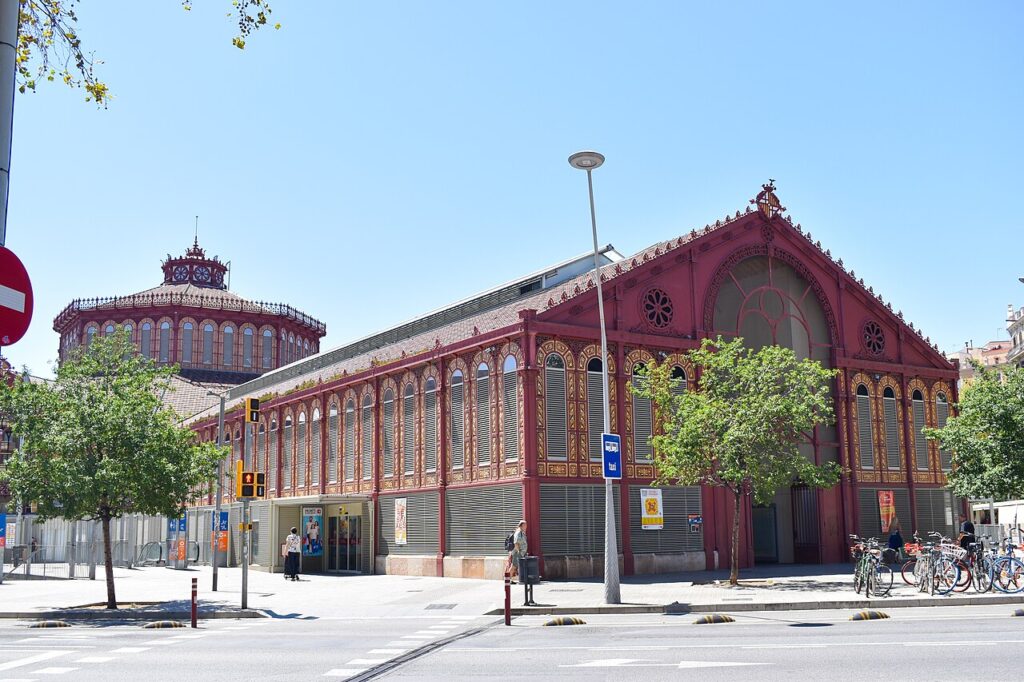
In Barcelona, choosing a neighbourhood changes almost everything: the light, the noise, how you get around, the type of building and, of course, the budget. Two addresses just a few streets apart can offer very different ways of living.
Here is our take on the neighbourhoods most often considered by international buyers and residents. It is not a ranking: the right choice depends on the project, your pace of life and sometimes simply which side of the street the property sits on.
Eixample: the safe choice, but far from a single neighbourhood
Dreta de l’Eixample
The right-hand side of Eixample brings together Modernista façades, grand avenues and some of the city’s most sought-after addresses around Passeig de Gràcia. Apartments often offer generous proportions and remarkable original details, alongside high prices and a heavier tourist presence on the main streets.
Esquerra de l’Eixample
On the left, the atmosphere generally feels more residential and lived-in. Antiga Esquerra remains central, elegant and exceptionally well connected; Nova Esquerra can offer more peace and, sometimes, better value for space. To the south, Sant Antoni adds its market, restaurants and genuine neighbourhood life. Around Parlament or the market, the energy is appealing — but the noise should be checked with the windows open, then closed.
Vila de Gràcia: Barcelona on a village scale
Lively squares, narrow streets, independent shops and a strong sense of neighbourhood: Gràcia appeals to those who want to do everything on foot. Apartments are often smaller, and buildings without lifts are common. Around the squares, the charm is real; so are the late-night conversations.
El Born: spectacular, lively and exposed
El Born makes an immediate impression with its architecture, galleries, restaurants and proximity to Parc de la Ciutadella. It is also a tourist district, lively at night, where the quality of a building and the amount of natural light can change dramatically from one street to the next. A beautiful address, provided you are comfortable with its intensity.
The Gòtic: plenty of character, with a few compromises
Some addresses in the Gothic Quarter are extraordinary: high ceilings, patios, ancient stonework and unexpected views. But its narrow streets can also produce dark, damp or noisy homes, often within complicated buildings. Here, we judge less by the name of the neighbourhood than by the street, the floor and the true condition of the finca.
El Raval: central, cultural and highly uneven
El Raval is home to major cultural institutions, beautifully restored buildings and vibrant pockets around MACBA and Sant Antoni. Some streets also face genuine problems with safety, drug dealing, cleanliness and nuisance. We do not dismiss it on principle, but no decision here should be made without returning several times, particularly in the evening.
Pedralbes: calm, space and a French-speaking community
Pedralbes is one of Barcelona’s most residential and expensive areas. The presence of the French Lycée makes it a natural choice for many French-speaking families. You gain greenery, peace and often more space; in return, you move away from the spontaneous, walk-everywhere Barcelona experience.
Sarrià and Sant Gervasi: family Barcelona
Sarrià retains the atmosphere of a village, while Sant Gervasi offers a broader mix of family apartments and elegant addresses. Schools, shops, tranquillity and proximity to Collserola explain their popularity. Budgets are substantial and the atmosphere less touristy — although sometimes less immediately transporting too.
Poblenou and El Clot: two faces of eastern Barcelona
Poblenou combines the beach, former industrial buildings, contemporary apartments and the creative economy. Its property market is extremely varied: a low-rise house near Rambla del Poblenou has little in common with a new-build development in Diagonal Mar. El Clot, more local and less focused on the sea, offers authentic neighbourhood life, excellent transport links and often more accessible prices. Two compelling options, for very different reasons.
Sants: practical, lively and still underrated
Sants is exceptionally well connected and retains a strong working-class identity, particularly around Plaça d’Osca and Carrer de Sants. Some streets have real charm; others are more functional. It is worth considering when everyday life and mobility matter more than an immediately prestigious address.
Les Corts: comfortable rather than spectacular
Les Corts appeals to families looking for quiet streets, good services and easy access to schools, universities and Avinguda Diagonal. It is less photogenic than Eixample or Gràcia, but often easier to live in. Pedralbes is its most exclusive enclave; the rest of the district can offer more balanced options.
Poble-sec: between Montjuïc and nightlife
Poble-sec benefits from its proximity to Montjuïc, characterful narrow streets and a lively food scene. But the neighbourhood changes quickly from one axis to the next: the slopes, natural light, proximity to Paral·lel and noise from bars all need to be assessed carefully.
La Sagrera: a bet on tomorrow’s city
The future station and the planned urban transformation around La Sagrera give the area clear long-term potential. It is not yet a postcard neighbourhood or a finished product: the construction work, timelines and real evolution of its different areas matter as much as the promise. We see it as a strategic choice rather than an immediate certainty.
The neighbourhood is never enough
In Barcelona, you need to move down a scale: from the neighbourhood to the street, from the street to the building, and then from the building to the apartment. The floor, orientation, pavement width, ground-floor businesses and inner courtyard may matter more than the postcode.
The best neighbourhood is therefore not the one that appears most often in guidebooks. It is the one whose qualities genuinely suit the way you want to live — without forcing you to accept, every day, a compromise you played down during the viewing.